Custom Telehealth Platform Development Case Study Custom Telehealth Platform Development Case Study
1 0 1 1 0 0 1 0
0 1 0 0 1 1 0 1
1 1 0 1 0 1 1 0
0 0 1 0 1 0 0 1
Back to Case Studies
Case Study — Health Care

Custom Telehealth Platform Development Case Study

Discover how Kawach built a scalable HIPAA-compliant telehealth platform with WebRTC, AWS, EHR integration, and real-time scheduling.

Health Care 8 May 2026
Explore Project
40%
Faster Patient Scheduling
25%
Cost Savings
99.9%
Platform Uptime
9mo
Positive ROI
Start
Jan 2024
Launch
Jul 2024
Client Overview

Telehealth

The ChallengeA rapidly growing healthcare provider operating across multiple states faced increasing pressure to deliver efficient remote healthcare services. Their existing ecosystem relied on disconnected systems for appointments, video consultations, patient records, and billing, resulting in operational inefficiencies and a fragmented patient experience.The client needed a centralized teleheal...

With over 3,000 doctors and 500,000 active patients, they required a HIPAA-compliant, cloud-native solution capable of handling high-concurrency video consultations, real-time EHR synchronisation, and automated billing workflows.

Industry
Healthcare / Telemedicine
Business Size
Enterprise (3,000+ Doctors)
Location
United States (12 States)
Business Model
B2C + B2B Healthcare SaaS
Project Duration
6 Months
Existing Challenges
  • Fragmented systems across 12 states with no centralised data
  • Poor patient experience — average 45-minute wait times
  • No unified appointment management system
  • Manual, error-prone billing workflows
  • HIPAA compliance gaps and security risks
  • No telemedicine capability at all
The Challenge

What We Were Up Against

Solving healthcare's most complex technical and compliance challenges at enterprise scale.

Fragmented Data Systems

Patient data was siloed across 12 incompatible legacy EHR systems with no unified API layer, making cross-state care coordination impossible. Data migration alone required processing 18M+ patient records without downtime.

HIPAA Compliance at Scale

Every element of the platform — storage, transit, video streams, audit logs — required HIPAA-compliant architecture. Zero shortcuts could be made while ensuring low-latency performance for thousands of concurrent video consultations.

Real-Time Video at Scale

Supporting 5,000+ simultaneous video consultations with sub-100ms latency, automatic failover, and mobile compatibility across iOS, Android, and Web — without sacrificing video quality or call reliability.

Complex Billing Automation

Healthcare billing involves insurance verification, ICD-10 coding, claim submission, co-pay calculation, and denial management — all requiring real-time integration with 14 different insurance providers and payment gateways.

Scalability Under Peak Load

Morning appointment rushes created unpredictable 10× traffic spikes. The system needed elastic auto-scaling that could provision capacity in under 30 seconds without cold-start latency issues.

Cross-Platform UX

Patients ranged from 18 to 85 years old across varied devices and internet speeds. The UX had to be intuitive for first-time users on 3G connections while remaining feature-rich for power users on desktop.

Goals & Objectives

What Success Looked Like

Clear, measurable objectives defined at the outset. Every technical decision was evaluated against these targets.

Reduce Patient Wait Time

Cut average appointment wait time from 45 minutes to under 15 minutes through smart scheduling.

Increase Doctor Productivity

Enable each doctor to see 40% more patients per day via streamlined digital workflows.

Cloud-Native Infrastructure

Build on AWS with auto-scaling, 99.9% uptime SLA, and full disaster recovery capability.

Full HIPAA Compliance

Pass all HIPAA security audits and achieve SOC 2 Type II certification within 6 months.

Our Solution

How We Built It

Kawach Technology designed a cloud-native, microservices-based telehealth platform built from the ground up for HIPAA compliance, elastic scalability, and exceptional patient experience.

We began with a 3-week discovery sprint — embedded with the client's clinical and operations teams — to map every patient journey, identify integration touchpoints with existing EHR systems, and define the infrastructure architecture.

Architecture Strategy

The platform is built on a microservices architecture deployed on AWS ECS Fargate, ensuring each service (scheduling, video, billing, notifications) scales independently based on real-time demand. A GraphQL API gateway unifies 14 backend services into a single, efficient data layer.

UX Approach

We conducted 40+ user interviews across patient demographics (18–85 age range). The UI follows a progressive disclosure model — complex features revealed only when needed — resulting in a 94% task completion rate in usability testing.

Key Modules Delivered
Video Consultation Engine
WebRTC-based with automatic fallback, recording, and screen share
Smart Scheduling
AI-powered slot suggestions based on doctor availability and patient history
Patient Portal
Complete patient profile, history, prescriptions, and test results
EHR Integration
Real-time bidirectional sync with Epic, Cerner, and HL7 FHIR
Automated Billing
Insurance verification, ICD-10 coding, and claim submission pipeline
Analytics Dashboard
Real-time KPIs for hospital admins, doctors, and operations teams
Smart Notifications
Omnichannel alerts via SMS, email, push, and in-app messaging
Admin Control Panel
Multi-role access, audit logs, compliance reports, and system health
Features Developed

What We Built

Every feature was designed around real clinical workflows and validated through user testing with doctors and patients.

HD Video Consultation

WebRTC-powered consultations with recording, screen share, virtual waiting room, and automatic quality adaptation based on bandwidth.

Appointment Scheduling

Multi-doctor calendar, real-time slot availability, patient self-booking, automated reminders, and no-show management.

Patient Health Portal

Complete medical history, prescription management, lab results, vaccination records, and care plan tracking — all in one place.

EHR Integration

Bidirectional real-time sync with Epic, Cerner, Athena, and any HL7 FHIR-compatible system. Zero data duplication.

Automated Billing System

Insurance eligibility verification, ICD-10/CPT code auto-suggestion, claim submission, ERA processing, and patient invoicing.

Analytics Dashboard

Live KPIs for revenue, patient throughput, appointment volume, no-show rates, and doctor performance across all locations.

Notification System

HIPAA-compliant omnichannel notifications via SMS, email, push, and in-app. Appointment reminders cut no-shows by 35%.

Authentication & Security

Multi-factor authentication, role-based access control, session management, and complete HIPAA audit trail logging.

AI Clinical Notes

Ambient AI transcribes consultations and generates structured clinical notes — saving doctors 45 minutes of documentation daily.

Mobile Apps (iOS + Android)

Native apps with offline capability, biometric login, push notifications, and optimised for 3G connections.

Technology Stack

Built With the Right Tools

We selected every technology based on HIPAA compliance requirements, scalability needs, and long-term maintainability. No trend-chasing — only battle-tested solutions.

Frontend
React.js Next.js TypeScript Tailwind CSS
Backend
Node.js Express.js Python (FastAPI) GraphQL
Database
PostgreSQL MongoDB Redis Elasticsearch
Cloud/DevOps
AWS ECS Fargate Docker Kubernetes GitHub Actions
Video
WebRTC Twilio Video Agora.io
APIs
HL7 FHIR Epic API Stripe Google Calendar
Security
OAuth 2.0 JWT AES-256 AWS KMS
Monitoring
Datadog Grafana PagerDuty Sentry
Development Process

How We Delivered It

6-month Agile delivery with 2-week sprints, weekly client demos, and continuous deployment. Full transparency at every stage.

Total Timeline
26 Weeks
Discovery → Live Production
1
Weeks 1–3
Discovery & Requirements

Embedded with client teams across 3 hospitals. Mapped 24 patient journeys, 14 EHR integration points, and defined the full HIPAA compliance checklist. Delivered a 180-page Technical Requirements Specification.

2
Weeks 4–5
Architecture & UI/UX Design

Designed microservices architecture, AWS infrastructure diagram, and GraphQL schema. Conducted 40 user interviews. Delivered 120+ Figma screens validated with real patients and doctors.

3
Weeks 6–14
Core Platform Development

Built patient portal, doctor dashboard, appointment engine, video consultation module, and notification system. 12 backend microservices deployed on AWS ECS with full CI/CD pipeline.

4
Weeks 15–18
EHR & Billing Integration

Integrated with Epic, Cerner, and Athena via HL7 FHIR. Built the full automated billing pipeline including insurance verification, ICD-10 auto-coding, and claim submission to 14 payers.

5
Weeks 19–22
Security Audit & HIPAA Compliance

Third-party penetration testing, HIPAA risk assessment, AES-256 encryption implementation, complete audit trail logging, BAA signing with all vendors. Passed all compliance checks.

6
Weeks 23–26
QA, UAT & Go-Live

12,000+ automated test cases, load testing to 8,000 concurrent users, 6-week UAT with 200 real doctors and patients. Phased rollout across 3 states before full national launch.

Security & Compliance

Built for Healthcare's Strictest Standards

HIPAA Compliant
Full HIPAA Security Rule compliance including PHI encryption, access controls, and audit logs
SOC 2 Type II
Achieved SOC 2 Type II certification covering security, availability, and confidentiality
AES-256 Encryption
All PHI encrypted at rest and in transit using AES-256 and TLS 1.3
Multi-Factor Auth
MFA required for all clinical staff with biometric support on mobile devices
Audit Trail
Immutable audit logs for every data access and modification event
Automated Backups
Point-in-time recovery with 99.99% data durability across 3 AWS availability zones
Penetration Tested
Third-party pen testing by CREST-certified firm with zero critical findings
BAA Agreements
Signed Business Associate Agreements with all 14 vendor integrations
Results / KPIs

Measurable Impact

Numbers measured at 6 months post-launch, independently verified by the client's operations team.

Before vs. After

Before — Legacy Systems After — Kawach Platform
12 isolated EHR systems across statesUnified cloud platform with real-time EHR sync
45-minute average patient wait timeUnder 15-minute wait time — 67% improvement
Manual billing with 18% error rateAutomated billing with 0.3% error rate
No telemedicine capability5,000+ concurrent HD video consultations supported
HIPAA compliance gaps — failed 3 auditsFull HIPAA compliance + SOC 2 Type II certified
Doctors spent 3 hrs/day on documentationAI notes cut documentation to 15 min/day
No patient mobile app4.8★ rated apps on iOS & Android
Zero real-time analyticsLive dashboards across all 12 states
"
Kawach Technology didn't just deliver software — they transformed how we deliver healthcare. From the first discovery call to go-live, the team demonstrated a rare combination of deep technical expertise and genuine understanding of clinical workflows. Our doctors are seeing 40% more patients, our billing errors dropped from 18% to under 1%, and we finally have a platform we're proud to put in front of patients. The ROI was clear within the first 9 months.
DR
Dr. Robert Hartman
Chief Medical Officer, MedCore Health Network
★★★★★
Screenshots & Gallery

See It in Action

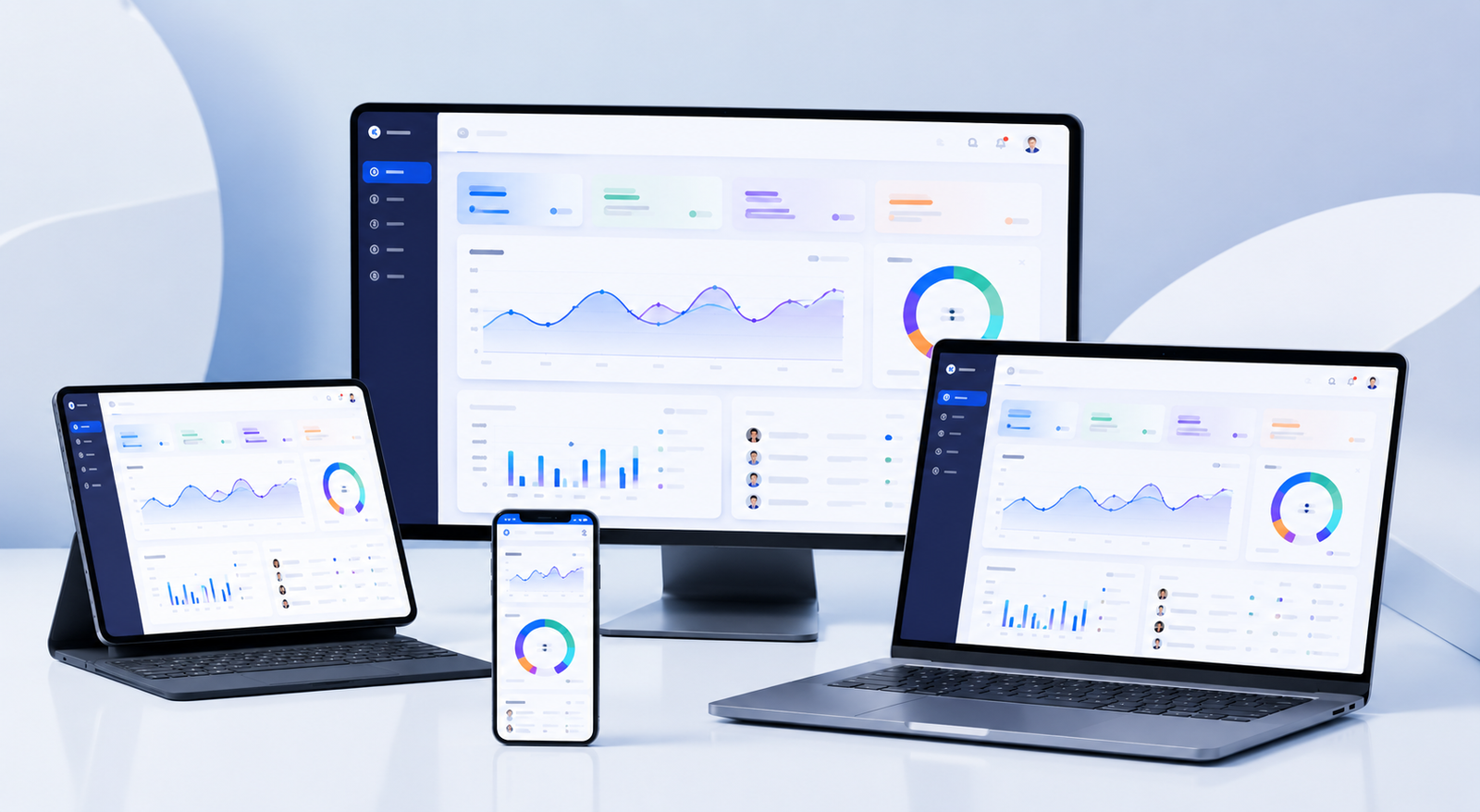
Screenshots replaced with design mockups. Actual product screenshots under NDA.

Key Achievements

Why This Project Matters

Beyond the numbers — this platform has improved healthcare access for patients in underserved communities across 12 US states who previously had no access to specialist care.

HIPAA-Compliant from Day One
Not retrofitted — designed with HIPAA as a core architectural constraint from the first line of code.
Zero Downtime Migration
Migrated 18 million patient records from 12 legacy systems to the unified platform with zero service interruption.
Multi-State Rollout in 6 Weeks
After initial launch in 3 states, scaled to all 12 states with no additional infrastructure work required.
Cloud-Native Auto-Scaling
Handles 10× traffic spikes automatically — peak morning appointment rushes processed without latency.
Improved Rural Healthcare Access
Patients in rural counties now access specialist consultations within 24 hours vs. 6-week average travel-based wait.
AI-Powered Clinical Notes
Ambient AI documentation saves each doctor 45 minutes per day — equivalent to 3 extra patient appointments.
FAQ

Common Questions

Have more questions? Book a call with our team.

How much does telehealth platform development cost?
Custom telehealth platforms typically range from $80,000 to $500,000+ depending on complexity, integrations, and compliance requirements. Our solutions start at $80K for a core MVP. We provide detailed fixed-price proposals after a discovery sprint. Contact us for a scoping call.
How do you ensure HIPAA compliance throughout development?
HIPAA compliance is a first-class architectural concern — not an afterthought. We conduct a full HIPAA risk assessment at the start, sign BAAs with all vendors, implement AES-256 encryption for all PHI, enforce role-based access control, maintain immutable audit logs, and engage third-party pen testers before go-live.
What technologies are best for healthcare software?
For healthcare platforms we recommend React/Next.js for frontend (proven performance and accessibility), Node.js or Python for backend (large talent pools, strong libraries), PostgreSQL for structured clinical data, AWS for cloud infrastructure (HIPAA-eligible services), and WebRTC or Twilio for video consultations.
Can the platform scale globally?
Yes. The platform is built on AWS with multi-region deployment support. It is currently live across 12 US states and designed to support international expansion. Internationalisation (i18n), currency, and regional compliance (GDPR, PIPEDA) can be added as layers.
How long does healthcare app development take?
A full-featured telehealth platform like MedCore's takes 5–7 months for enterprise scale. A focused MVP covering video consultation + scheduling + patient portal can be delivered in 10–14 weeks. We recommend a 2-week paid discovery sprint before committing to a full timeline.
Do you provide post-launch support and maintenance?
Yes. We offer tiered support packages from basic bug-fix SLAs to full managed service with 24/7 monitoring, proactive performance optimisation, and ongoing feature development. MedCore is on our Managed Growth plan with a dedicated Kawach engineer embedded in their team.
Related Case Studies

More Success Stories

Ready to Get Started?

Looking for Custom Healthcare Software Development?

Kawach Technology helps startups and enterprises build scalable, secure, and high-performance digital platforms. Let's turn your vision into the next success story.

View All Case Studies